In today’s digital era, shopping has shifted drastically from crowded marketplaces to just a few taps on our smartphones. But have you ever wondered why people make certain online purchase decisions so quickly? The truth is, human psychology plays a huge role in online buying behavior. Brands and marketers use subtle psychological triggers that influence the way customers think, feel, and act. Understanding these triggers not only helps businesses increase conversions but also makes us more aware of our own buying patterns.
Here are the five most powerful psychological triggers that make people buy online:
1. Scarcity – The Fear of Missing Out (FOMO)

Nothing pushes people to act faster than the thought of losing an opportunity. When a product is labeled as “only 2 items left” or “limited-time offer,” it creates urgency in the buyer’s mind. This is known as scarcity marketing. Psychologically, scarcity triggers FOMO, making customers feel that if they don’t act now, they might regret it later.
E-commerce platforms like Amazon, Flipkart, and travel booking sites use this tactic effectively. Adding countdown timers, low-stock alerts, or flash sale banners motivates buyers to make instant decisions instead of postponing them.
SEO tip: Keywords like “limited stock,” “flash sale,” “hurry,” and “exclusive deal” can enhance engagement and sales conversions.
2. Social Proof – People Trust What Others Approve
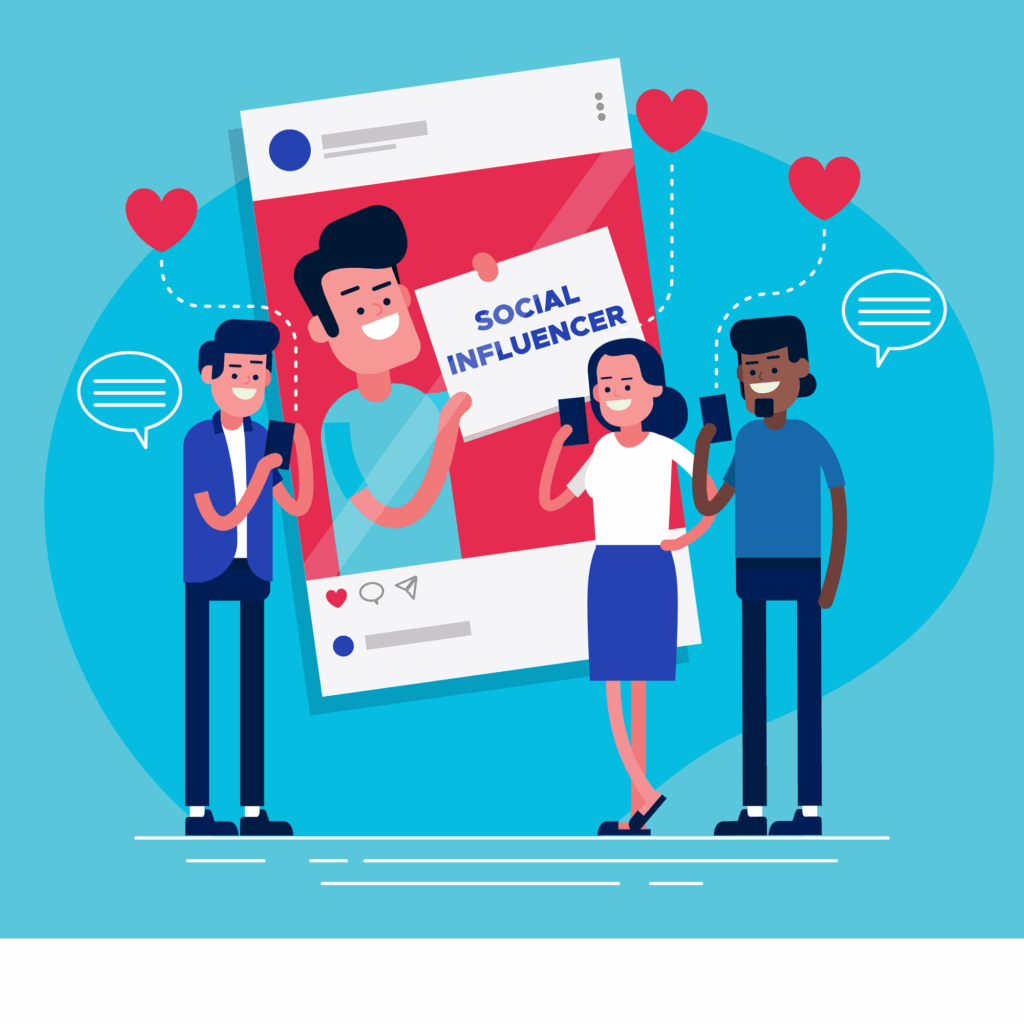
Human beings are naturally influenced by the actions of others. When shoppers see product reviews, ratings, or testimonials, they feel more confident about making a purchase. This is called social proof, and it’s one of the most powerful psychological triggers in online shopping.
For example, seeing a product with 4.7 stars and 5,000 reviews immediately builds trust. Similarly, when influencers, celebrities, or even regular users share their positive experiences, it reassures potential buyers that the product is worth it.
To maximize impact, businesses should display reviews, user-generated content, and real-life testimonials across product pages.
SEO tip: Phrases like “best-selling,” “top-rated,” and “customer favorite” can help boost organic visibility.
3. Authority – Trusting the Experts

People are more likely to believe recommendations that come from experts or trusted brands. This principle of authority is often used in digital marketing. For instance, if a skincare product is recommended by dermatologists, or a fitness gadget is endorsed by athletes, customers feel reassured about the quality and effectiveness of the product.
In the online space, authority can be built through certifications, expert endorsements, brand reputation, or even content marketing that showcases knowledge and credibility.
SEO tip: Use authority-driven keywords like “expert-recommended,” “doctor-approved,” and “official brand site” to attract trust-driven buyers.
4. Reciprocity – The Power of Giving First

Humans naturally feel obligated to return favors. In online marketing, this is known as reciprocity. When a brand offers free value—like discounts, free trials, eBooks, or bonus gifts—customers feel a subconscious desire to “give back” by making a purchase.
For example, free shipping on the first order or a “buy one, get one free” deal makes customers more willing to proceed with checkout. By giving before asking, brands build stronger customer relationships and increase the chances of conversion.
SEO tip: Optimize with keywords such as “free trial,” “bonus offer,” and “complimentary gift” to attract deal-seekers.
5. Emotions – The Heart Rules the Mind

While logic matters, most buying decisions are driven by emotions. Online shoppers are often motivated by feelings such as happiness, excitement, security, or even belonging. Luxury brands sell status, fitness brands sell confidence, and travel platforms sell freedom and adventure.
Storytelling, visuals, and emotionally charged words all play a crucial role in this trigger. Ads that make customers feel something—whether joy, nostalgia, or inspiration—are far more effective than plain product descriptions.
SEO tip: Emotional keywords like “life-changing,” “feel confident,” “transform your lifestyle,” and “happiness guaranteed” resonate well with audiences.
Final Thoughts
Buying decisions are rarely just logical; they are deeply psychological. The triggers of scarcity, social proof, authority, reciprocity, and emotions influence how people shop online every single day. For businesses, using these psychological principles can skyrocket conversions. For customers, being aware of these triggers can help make smarter and more conscious purchase decisions.
By understanding these psychological triggers, brands can connect with their audience on a deeper level and create a shopping experience that feels both persuasive and personal.